GununghejoKebun Agroforestry
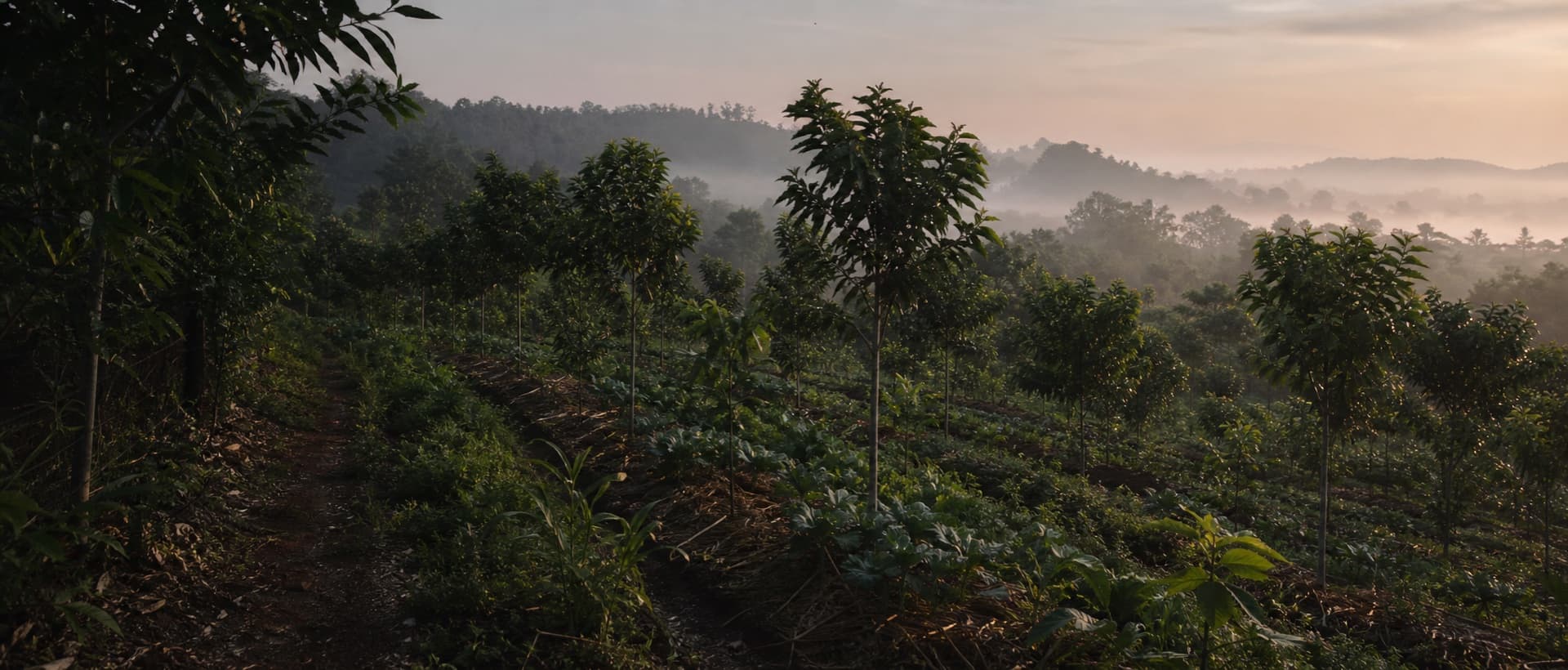
Illustration of a morning in the agroforestry garden — rows of fruit trees on hilly land, thin mist in the distance, and intercrops between the planting lines
Darangdan · Purwakarta200 Hectares7 Fruit Crops

One plot, layered like a forest.

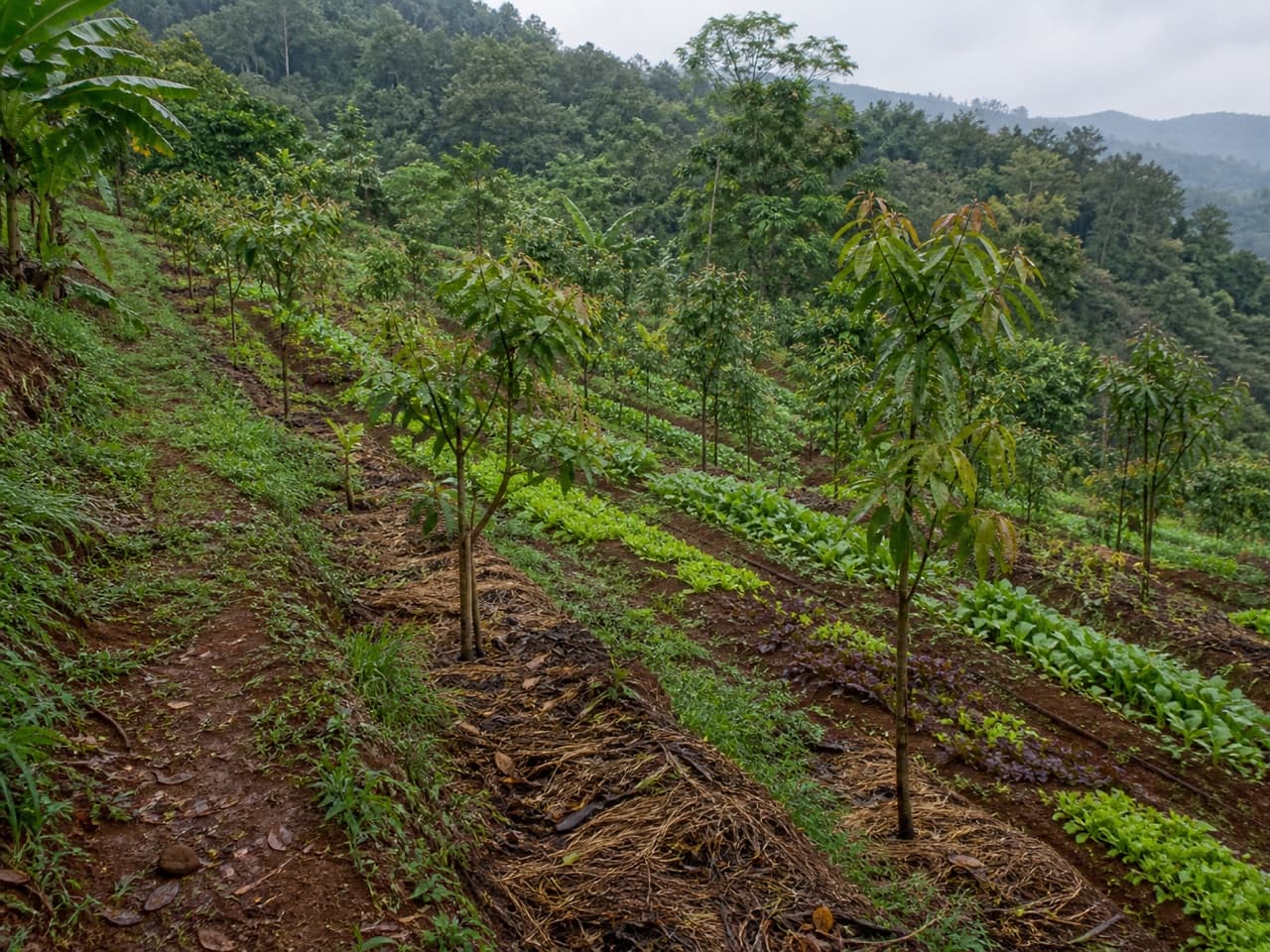
Seven kinds of fruit tree grow in rows across the hilly land of Gununghejo Village. Between them, intercropped horticulture fills the space the canopy has not yet closed.

Scroll to walk the garden

A fruit tree planting block on hilly land
Planting blockF/01
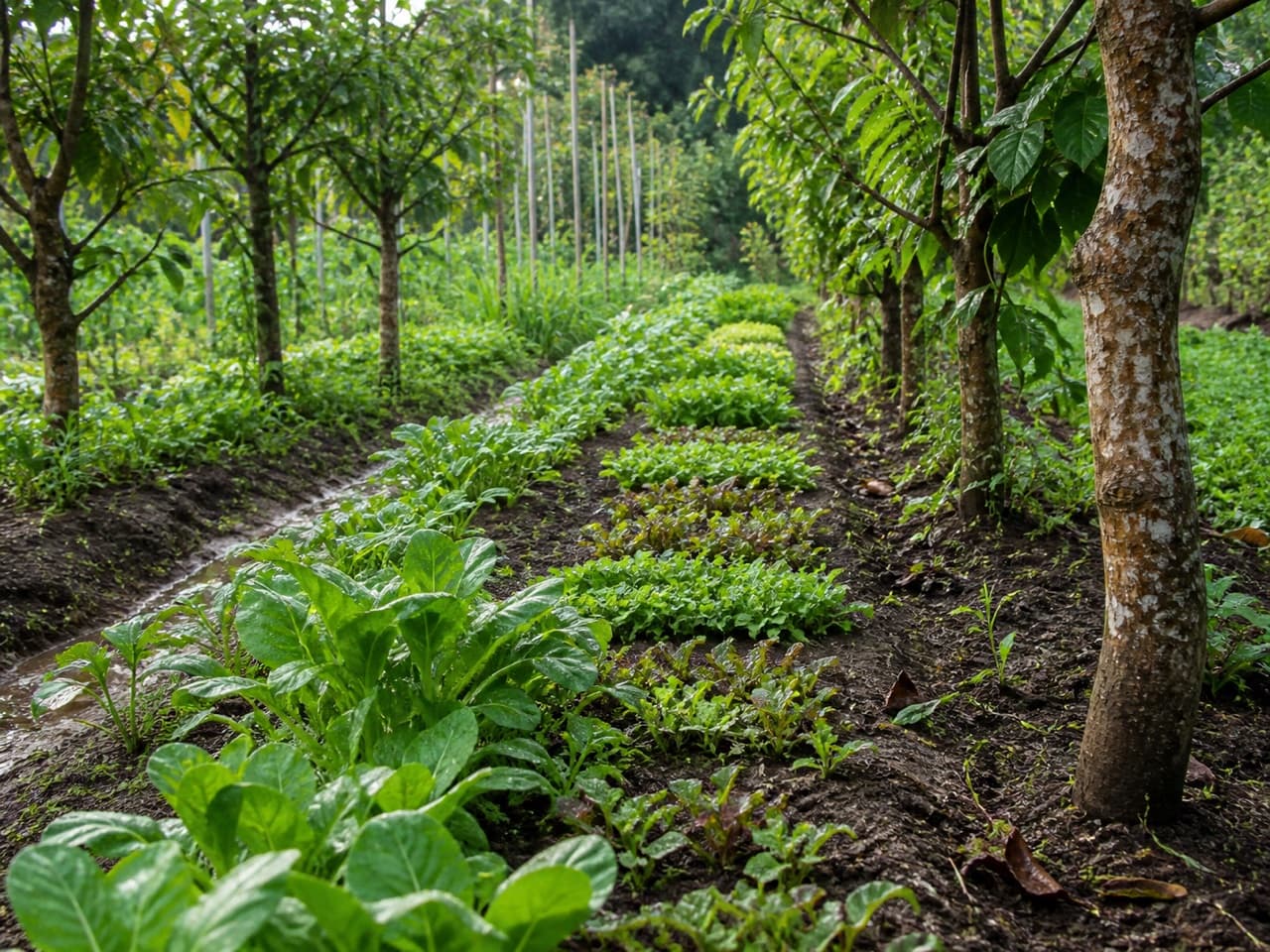
Intercrop beds between the tree rows
IntercropF/02
Fruit nearing harvest on the tree
Near harvestF/03
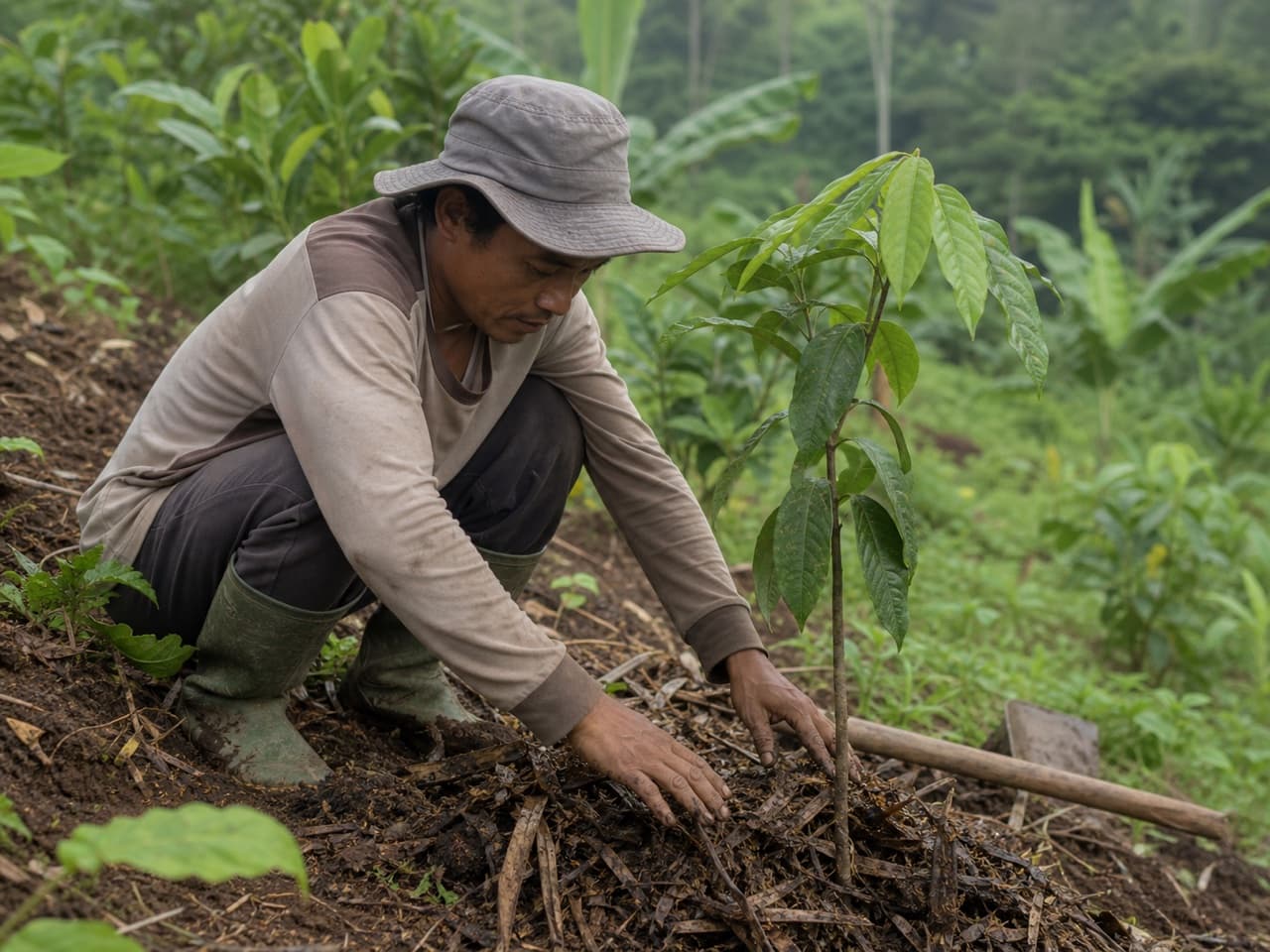
Seedling care work in the garden
MaintenanceF/04
Location
Gununghejo Vil., Darangdan Dist., Purwakarta Reg.
Area
200 hectares
Perennials
7 fruit crops
Since
2024

01About

Planting for two timescales

Fruit trees take years to bear. Intercrops can be harvested in months. This garden is arranged so both run on the same land, without one defeating the other.

Sloping land at the foot of the hills loses a little of its topsoil every rainy season. It is not dramatic — slow, but relentless.

Planting a single crop on such land makes two things fragile at once: the soil, and the income of the people who work it. When prices fall or a season misses, nothing holds.

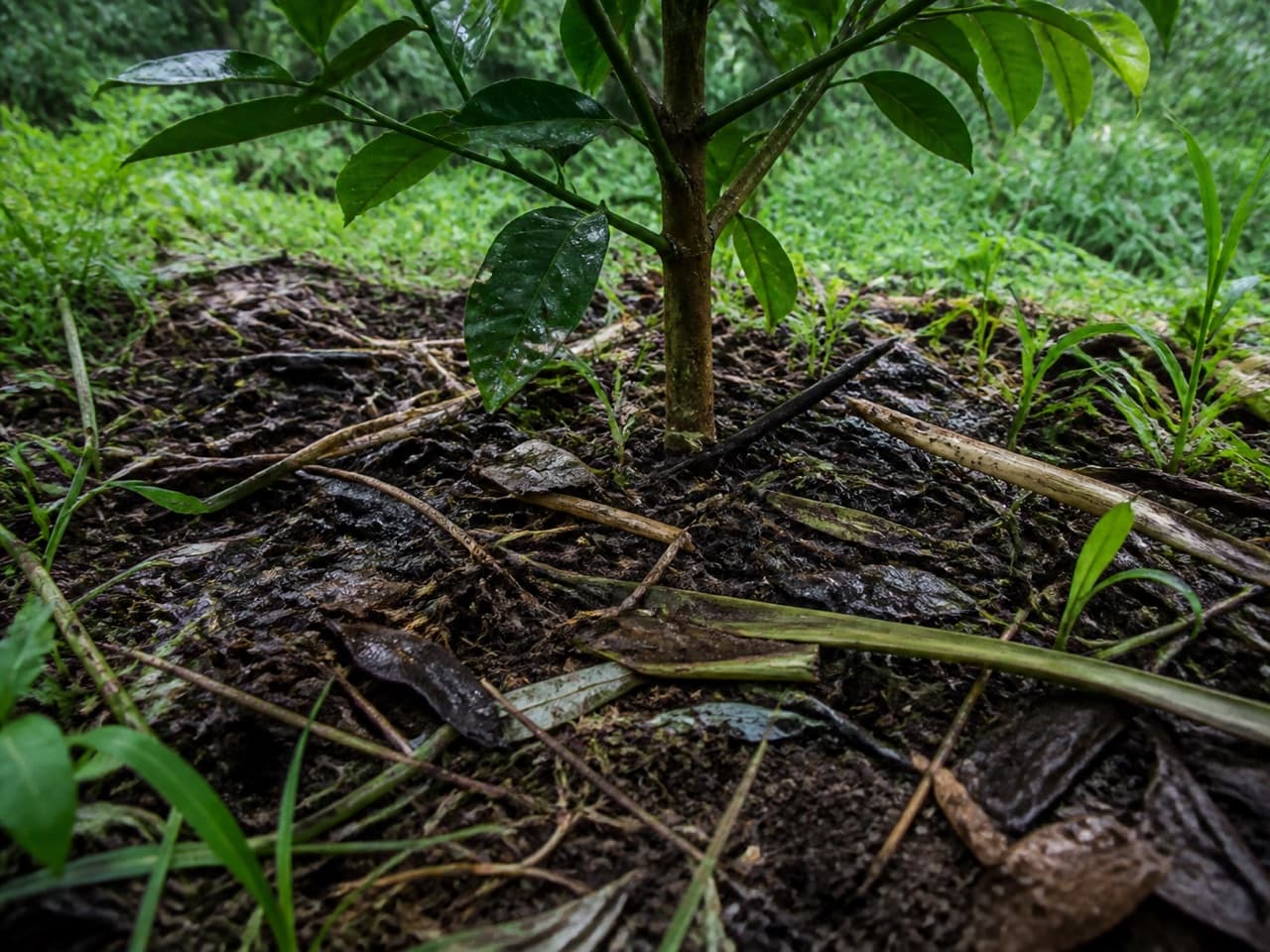
We chose agroforestry because it answers both. Tree roots bind the soil and slow the water coming down. Canopies shade and hold moisture. Fallen leaves return as organic matter. Meanwhile intercrops give yields and work year-round, not only when the trees bear.

The garden is managed by Yayasan Persada Akmil 92 together with Elevarm and nearby residents. Much of it is still in progress — we write it as it is.

Hilly land planted along the contour
Planting along the contour
A farmer working in a planting block
Leaf litter as ground cover around a tree base

Vision

A garden still productive when its trees are old, and still owned by the people who tend it.

Mission

  1. Plant and tend seven perennial fruit crops as the backbone of the garden.
  2. Sustain short-term yields and work through horticultural intercropping.
  3. Care for soil, water, and biodiversity as part of daily work.
  4. Open the garden as a learning space for residents, schools, and partners.

02Agroforestry System

A cross-section, from canopy to root

Select a layer to highlight it on the diagram. The diagram is schematic — it shows the arrangement, not true scale.

Cross-section diagram of the agroforestry garden layersA schematic diagram showing five layers: the upper canopy of petai and jengkol, the fruit tree layer, horticultural intercrops between the rows, ground cover of leaf litter, and the root and soil layer on sloping land.01 · UPPER CANOPY02 · FRUIT TREES03 · INTERCROPS04 · GROUND COVER05 · ROOTS, SOIL & WATER

Schematic diagram — not to scale

Biodiversity

A garden with many plant species draws in more life — pollinators, birds, and natural pest predators. A species list will appear once field monitoring is underway, not based on assumptions.

03Crops

Seven perennial fruit crops

These seven are not merely seven different species. They differ in height, their roots work at different depths, and their harvests do not all fall in the same month.

01
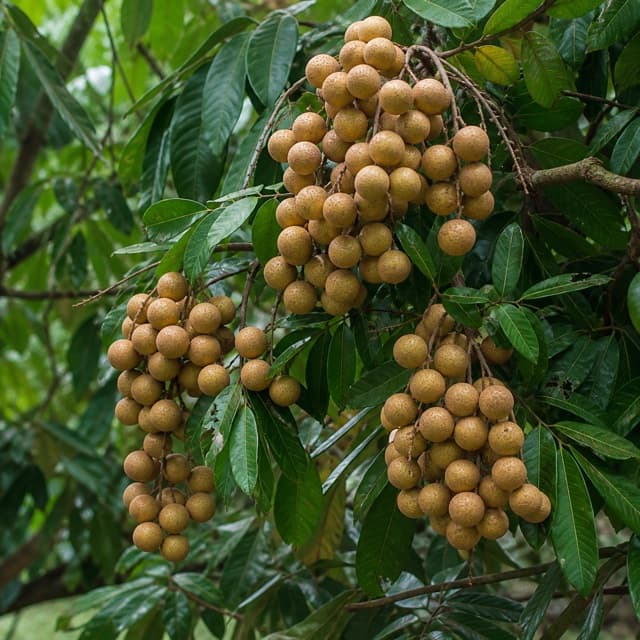
Longan fruit in clusters on the tree

Longan

Dimocarpus longan
A medium-canopy tree fruiting in dense clusters. One of the garden's harvest mainstays.
Fruit tree
02
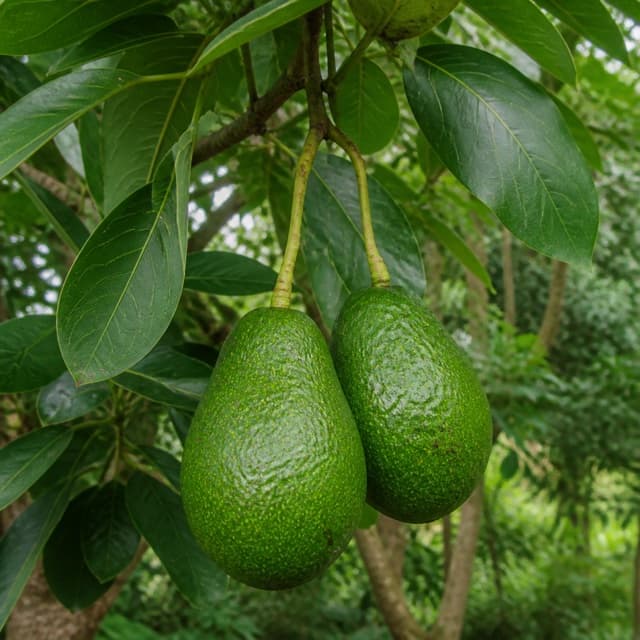
Avocado fruit hanging from a branch

Avocado

Persea americana
A dense canopy shading the plants beneath. Market demand is relatively steady.
Fruit tree
03
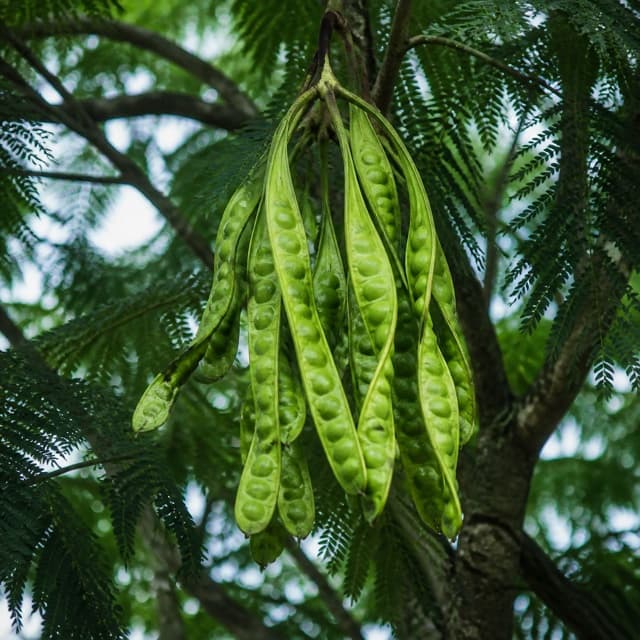
Petai pods on a tall tree

Petai

Parkia speciosa
Grows tall to form the uppermost canopy. As a legume, it also helps soil fertility.
Upper canopy
04
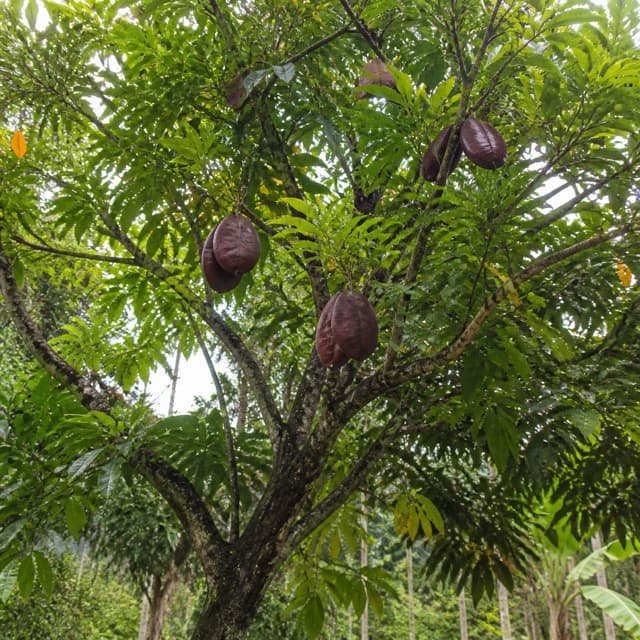
A jengkol tree with a broad canopy

Jengkol

Archidendron pauciflorum
A large tree from the legume family. Hardy, long-lived, with a clear market in West Java.
Upper canopy
05
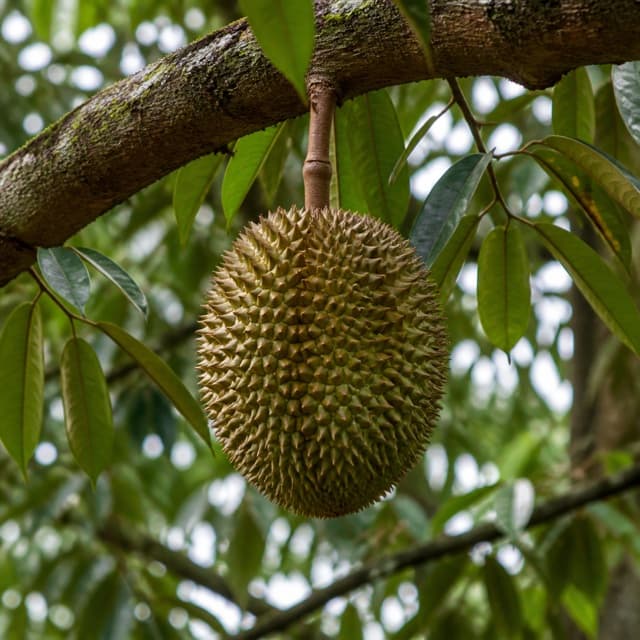
Durian fruit on a tree branch

Durian

Durio zibethinus
The longest wait before bearing, and the highest value. The reason this garden is built for the long run.
Fruit tree
06
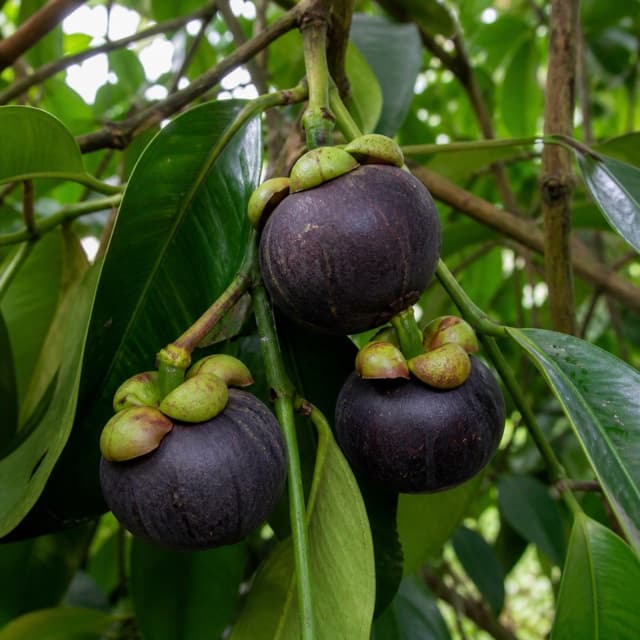
Mangosteen fruit under tree shade

Mangosteen

Garcinia mangostana
Actually prefers the shade of taller trees — well suited to the lower canopy layer.
Under shade
07
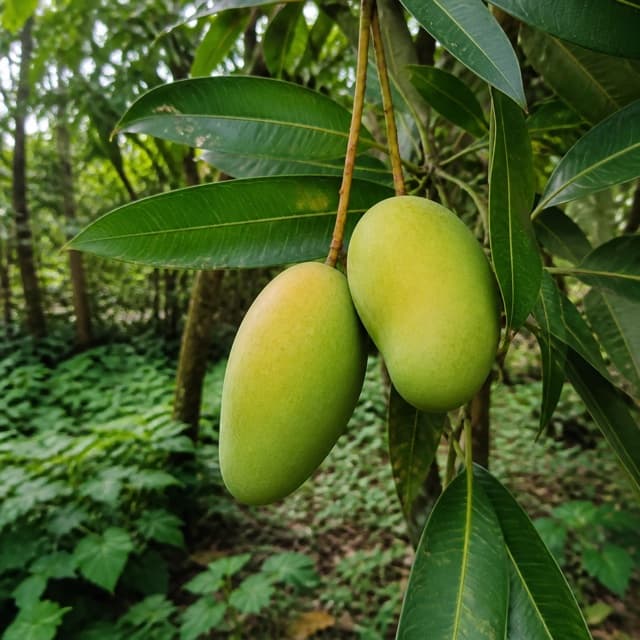
Mango fruit in an open part of the garden

Mango

Mangifera indica
Tolerant of dry conditions, suited to the more open, sun-exposed parts of the garden.
Fruit tree

Harvest seasons, tree counts, and varieties per crop will be completed once field data collection is done.

04Intercropping

Waiting for durian to fruit takes years. While we wait, the soil between the rows still has to work.

The horticultural intercropping programme fills the space between tree rows while the canopy is still open. Its yields arrive in weeks or months — and that is what keeps long-term garden care economically sensible for the people working it.

The choice follows the season, shade level, and demand in nearby markets. As the canopy closes, the intercrop mix shifts too — we will keep updating this section as field conditions change.
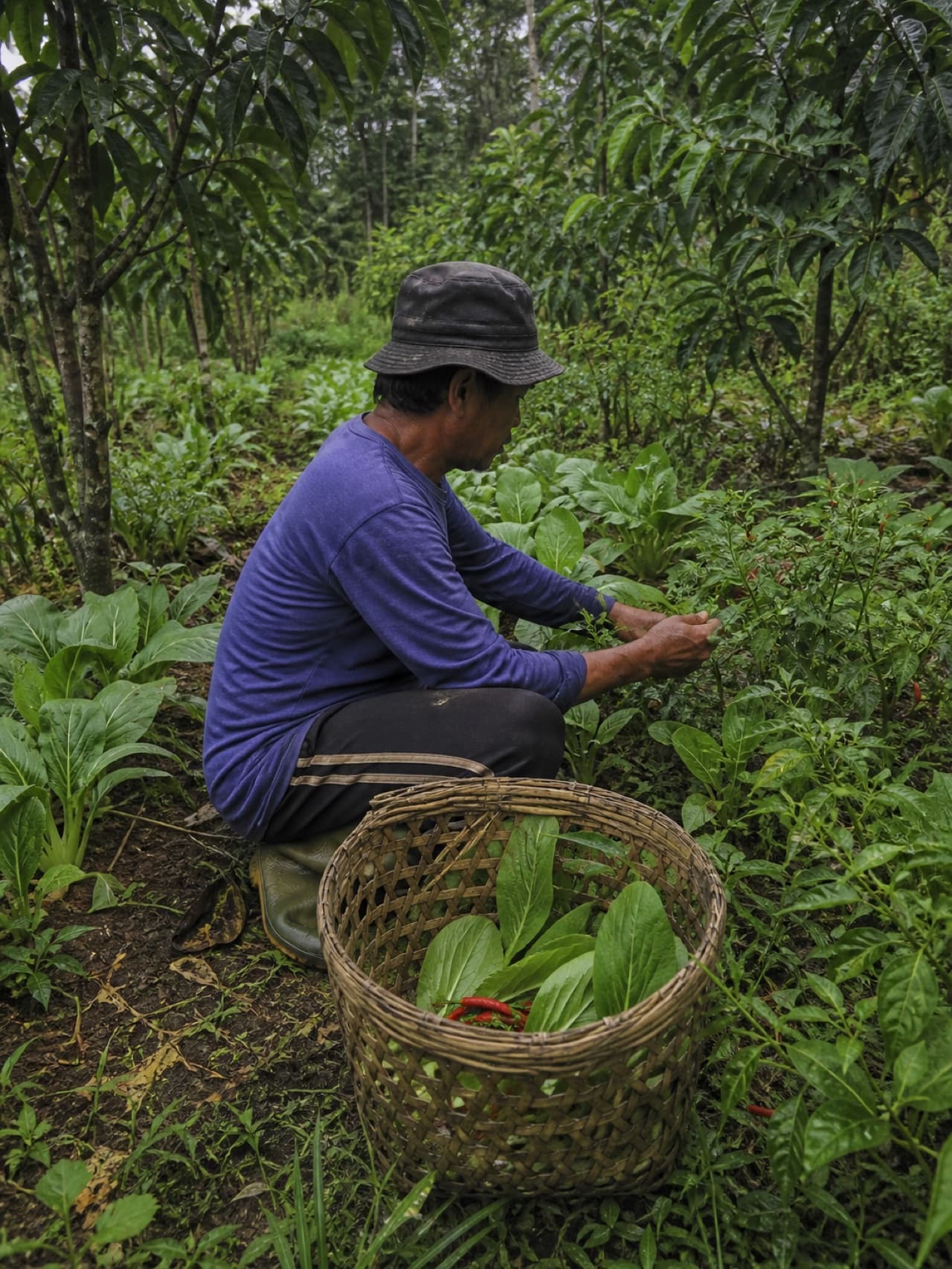
Leafy vegetablesChilliGinger & turmericLegumesTubers
Horticulture beds between rows of young fruit trees
A farmer harvesting the intercrop
Intercropped strips running the length of a planting block

05Activities & Programmes

What runs in the garden

Some already run regularly, others are still in preparation. We mark the status plainly so it is clear which you can join today.

Planting and tending seedlings in a perennial block
P/01

Planting & maintenance

Planting seedlings, replacing failures, pruning, weed control, and organic fertilising across the perennial blocks.

Status · Running regularly
Intercrop beds ready for harvest
P/02

Horticultural intercropping

Planting and harvesting intercrops between tree rows, following the season and each block's shade conditions.

Status · Running regularly
Contour planting on sloping land
P/03

Soil & water conservation

Contour planting, maintaining ground cover, managing organic matter, and slowing surface runoff.
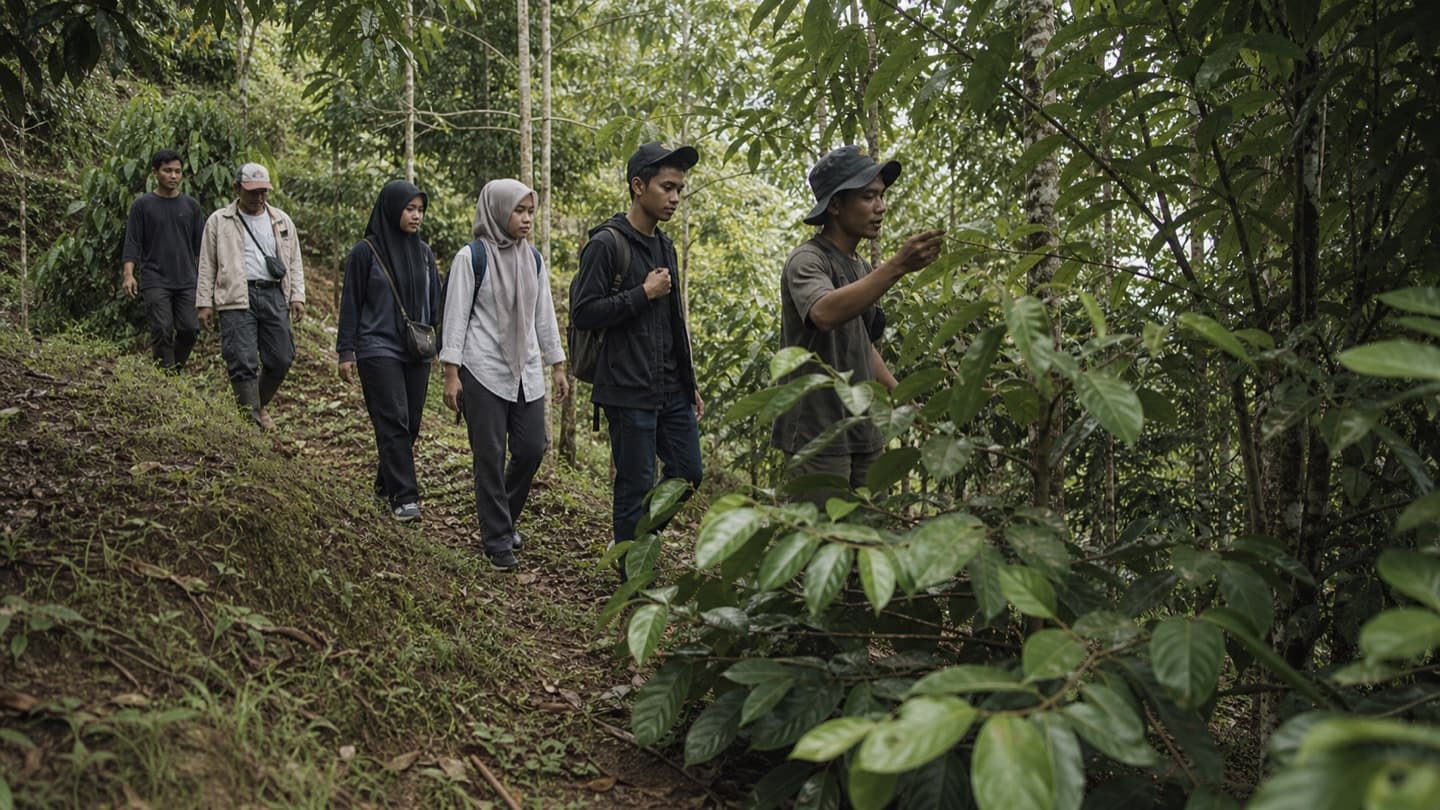
Status · Running regularly
A learning group walking through the garden
P/04

Visits & education

Field visits for schools, farmer groups, students, and communities — walking the garden and seeing the planting layers first-hand.
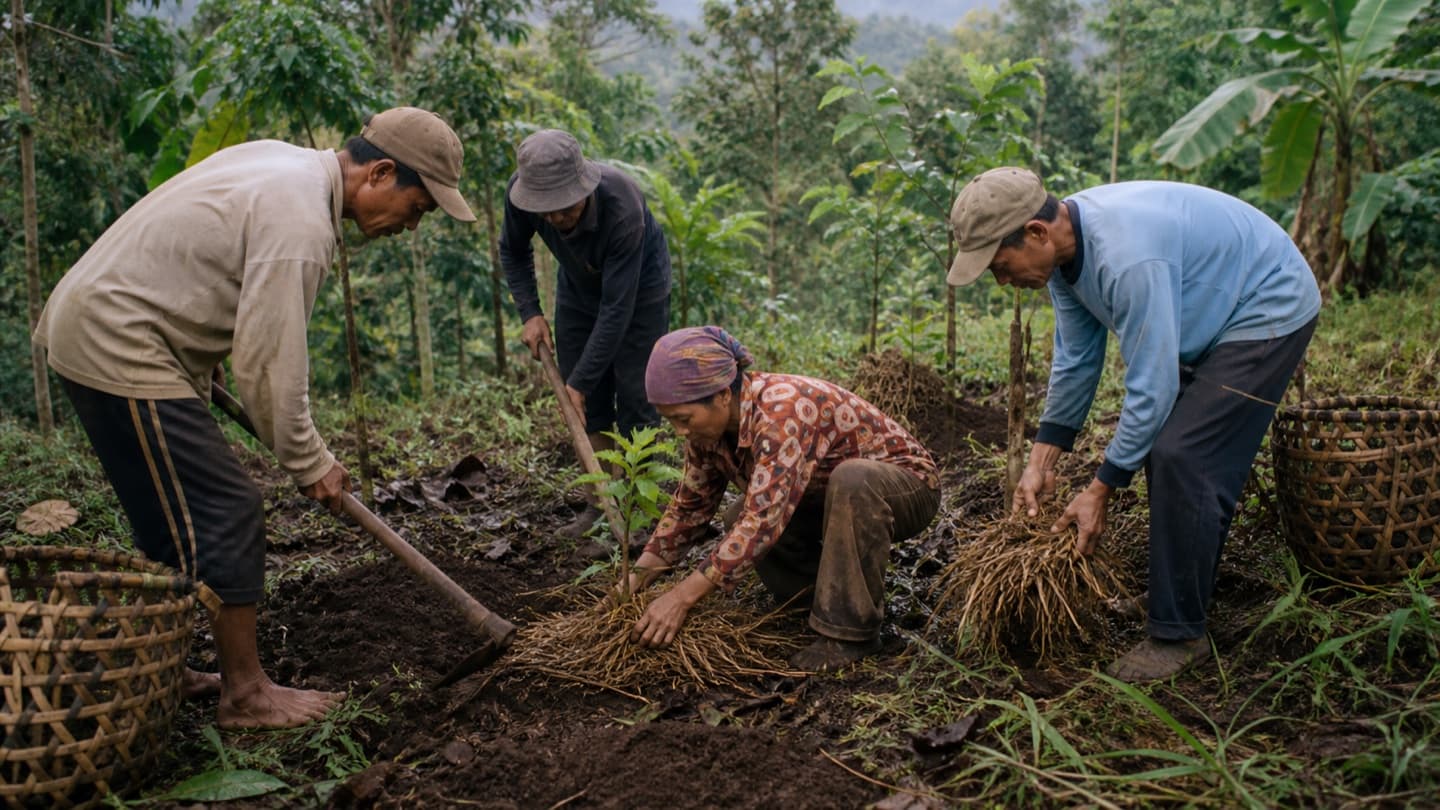
Status · Mon–Sat · 08:00–15:00 WIB
Residents working together in the garden
P/05

Community involvement

Garden work is done together with residents of Gununghejo Village and nearby, who are engaged as daily workers.
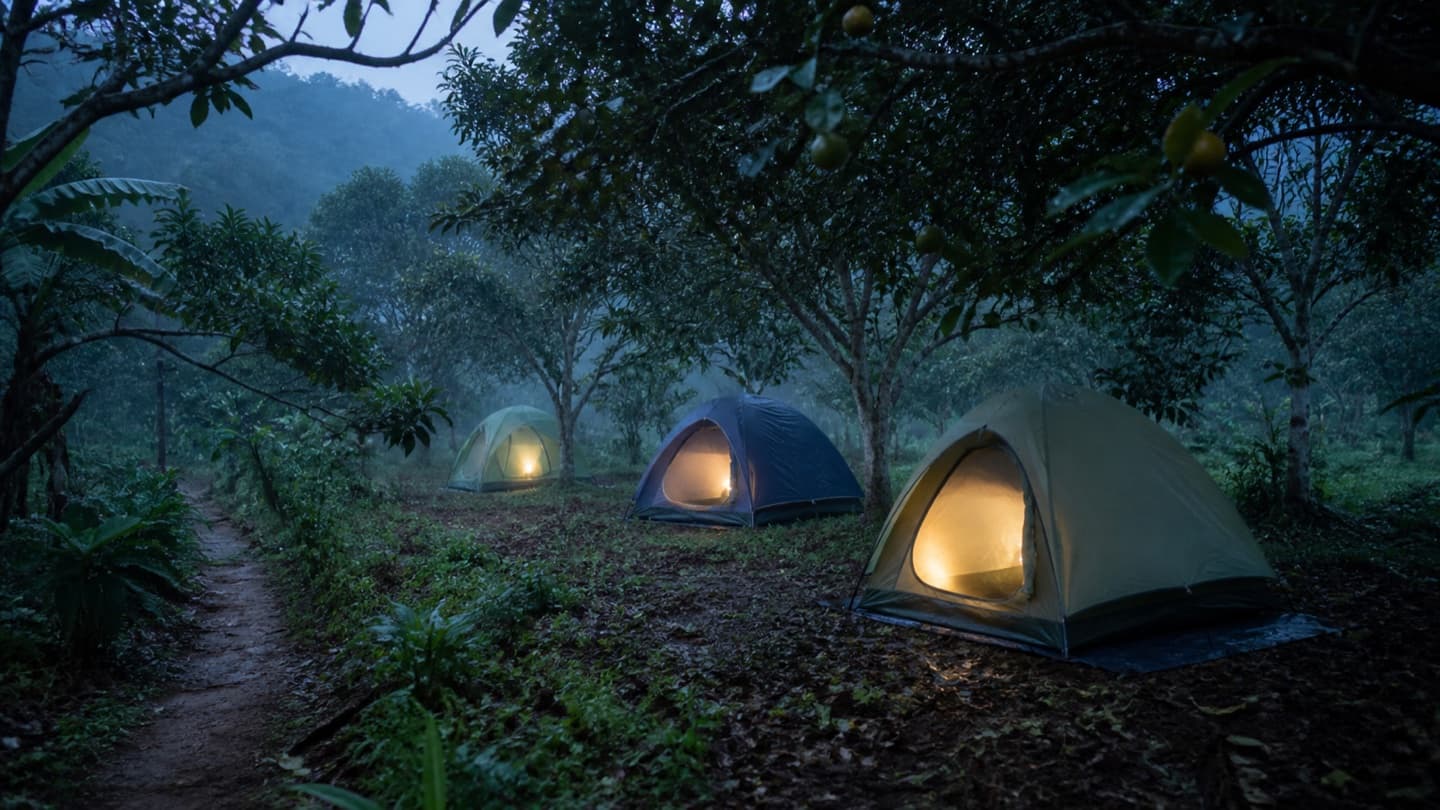
Status · Daily workers
Tents pitched among the garden's trees towards evening
P/06

Campground

A camping area inside the garden — for schools, communities, and families who want to stay the night and wake up among the trees. The campground has its own site; facilities, capacity, and booking are all covered there.

buper.gununghejo.com
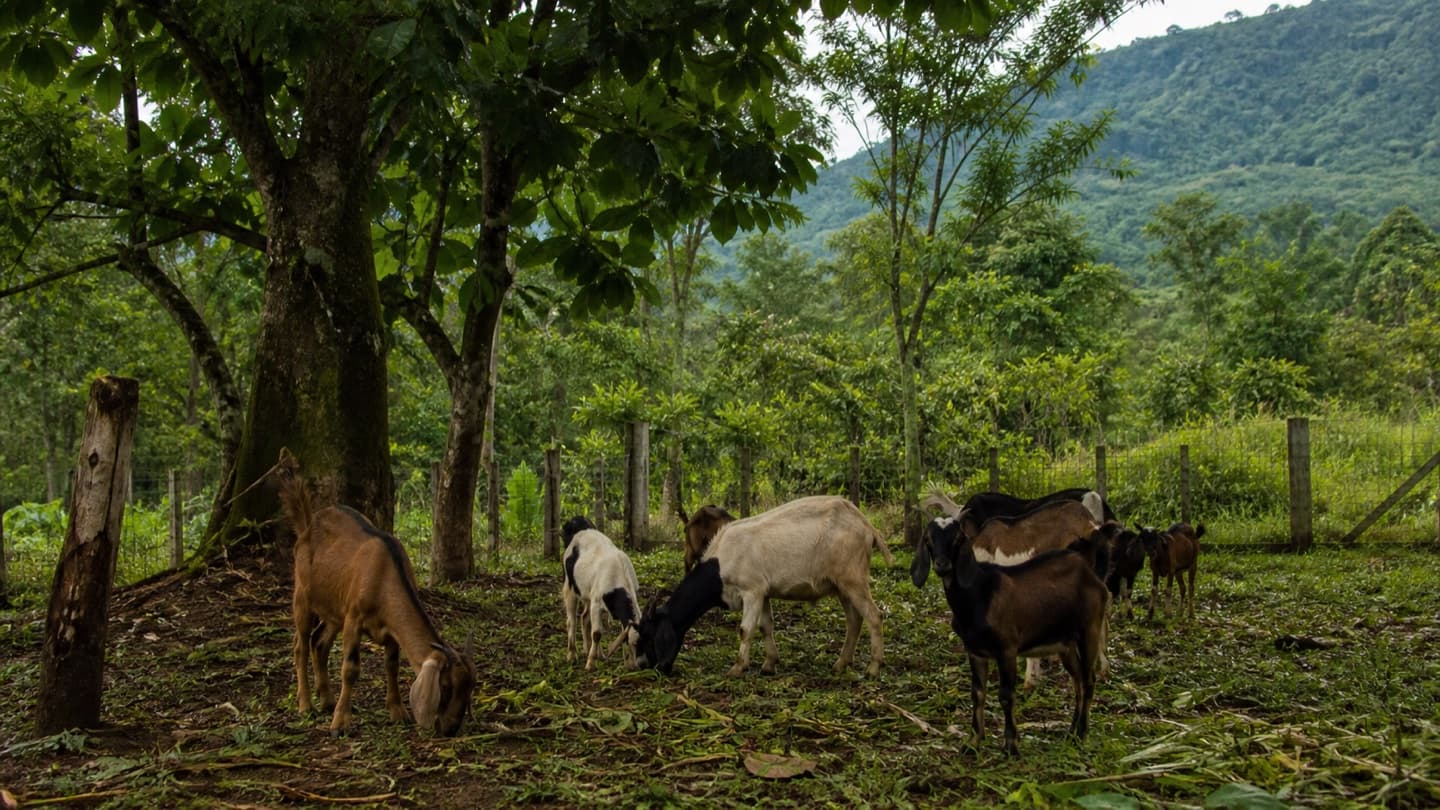
Goats grazing in a fenced paddock near shade trees
P/07

Livestock

Laying hens and goats are kept alongside the garden. Their manure is processed into organic fertiliser that returns to the land, so soil fertility does not depend entirely on inputs brought in from outside. Headcounts will be listed once the count is complete.
Status · Laying hens & goats
Garden produce ready for dispatch
P/08

Partnership & collaboration

Open to produce buyers, research institutions, conservation programmes, and those wanting to learn or work together in the field.

Status · Open

06Gallery

Visual notes from the field

A look at the garden through the year — planting blocks, harvests, work alongside residents, camping, and livestock.

The garden at dawnG/01
Rows of fruit treesG/02
Intercrop harvestG/03
The path between the rowsG/04
Learning visitG/05
Planting togetherG/06
Fruit nearing harvestG/07
The canopy from belowG/08
Young seedlingsG/09
Ground coverG/10
PruningG/11
Sorting the harvestG/12
CampgroundG/13
Morning at campG/14
Livestock in the paddockG/15
Laying hensG/16
Organic fertiliserG/17

Images on this page are illustrations, not documentary photographs of the garden. Real photos will replace them.

07Impact & Data

The numbers we have — and the ones we don't

We choose not to publish figures we have not counted ourselves. Rows in square brackets are still awaiting field data.

Agroforestry area
200 ha
Confirmed
Perennial fruit species
7
Confirmed
Location
Gununghejo Vil., Darangdan Dist., Purwakarta Reg.
Confirmed
Year planting began
2024
Confirmed
Total plant population
30,695
Confirmed
Farmers & workers involved
200
Confirmed
Active intercropped area
70 ha
Confirmed
Livestock kept
Laying hens & goats
Confirmed

Need verified figures for research, reporting, or partnership? Contact us directly.

08Partnership

This garden works better when it is worked on together

We are open to produce buyers, research institutions, conservation programmes, education organisers, and anyone wanting to learn on the ground. Tell us what you are looking for — we will answer plainly.

Start a conversation on WhatsAppUse the form
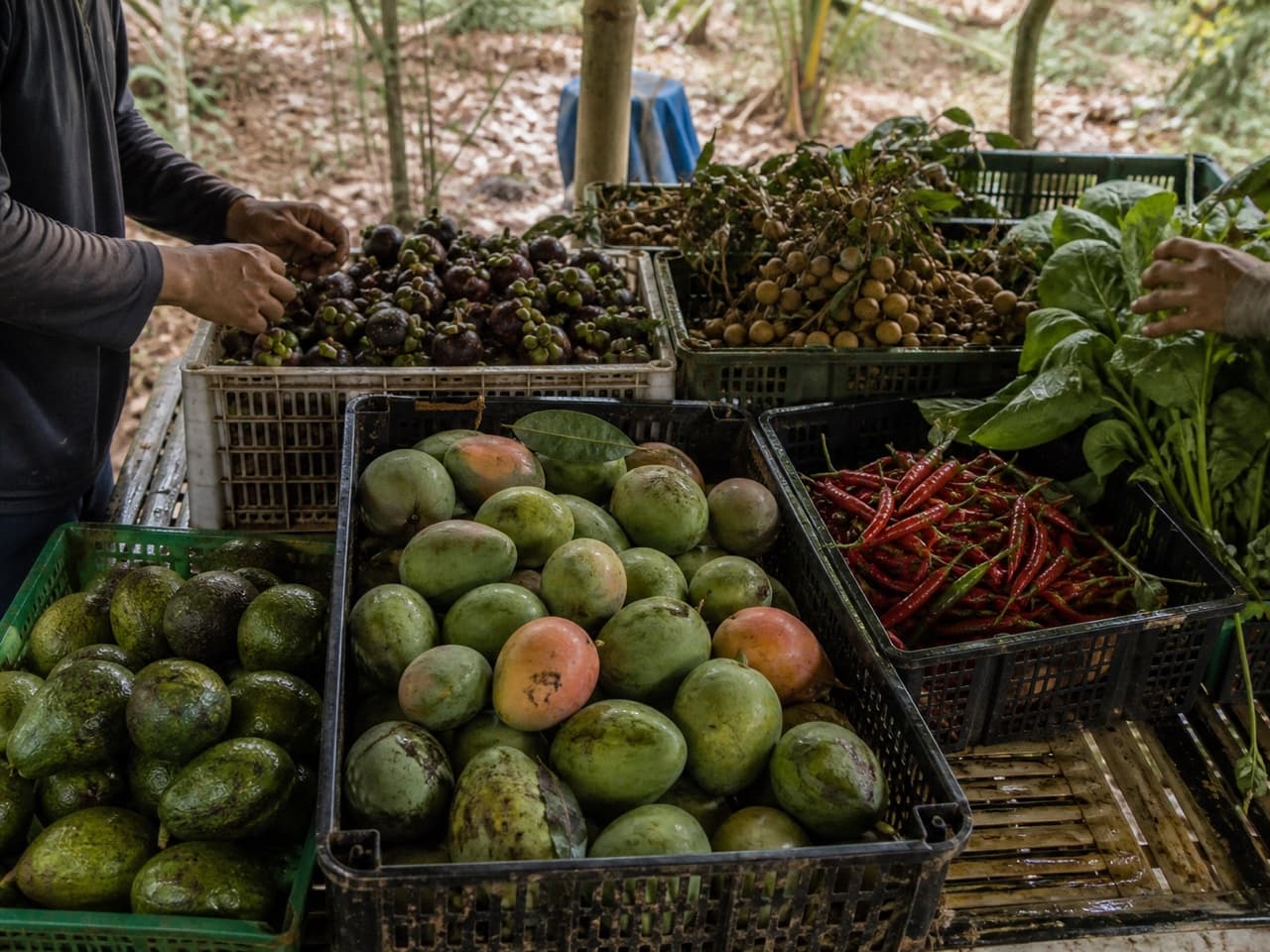
Harvested fruit ready for market

Buyers & distributors

Purchasing fruit harvests and intercropped horticulture.
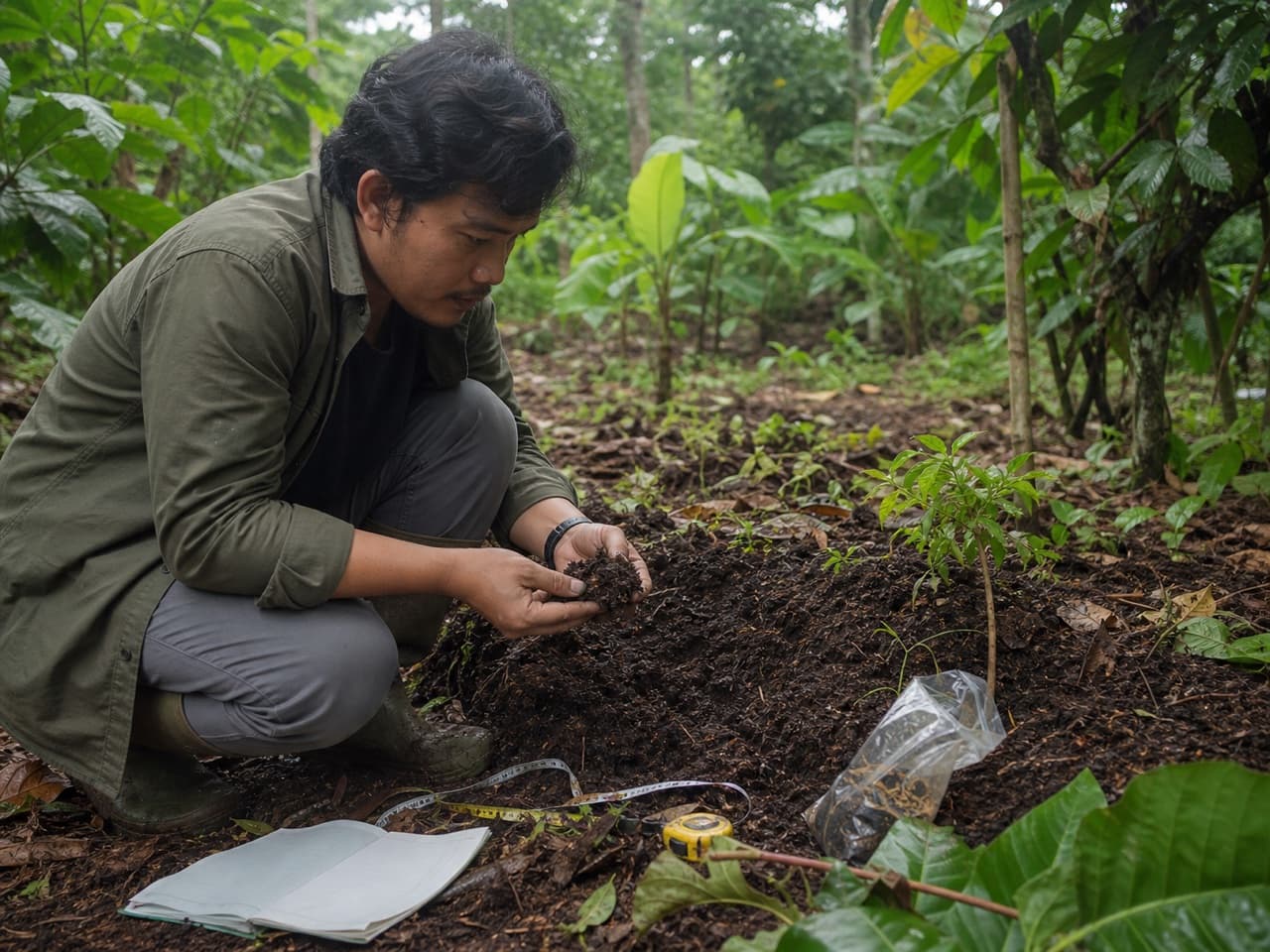
Observing soil conditions in the field

Research & academia

Field research on agroforestry, soil, water, and biodiversity.

The garden landscape under shared management

Institutions & programmes

Collaboration on conservation, empowerment, or land restoration programmes.

A shared learning activity in the garden

Communities & schools

Learning visits, field activities, and planting together.

09Contact

Let's talk

The fastest way is WhatsApp — we usually reply during garden working hours. The form works too; it composes your entries neatly into a WhatsApp message.

Garden address
Gununghejo Village, Darangdan District, Purwakarta Regency, West Java
Visits
Monday to Saturday, 08:00–15:00 WIB (UTC+7), by prior appointment. The garden is large and the terrain hilly — we will arrange a guide.
The garden's location in Gununghejo Village, Darangdan DistrictOpen in Google Maps

The form is not connected to a server yet. Entries are composed into a WhatsApp message ready to send. If WhatsApp does not open, an email link is offered as a fallback.

WhatsApp